First Impulse is a specialized publication dissecting the critical initial moments of video games. We research how developers design the first session to ensure newbie retention and deliver a powerful tutorial as a hook.
The opening minutes of a game, known as player onboarding, represent a critical make-or-break phase where first impressions are permanently formed. This period is not merely about teaching controls but about establishing the game's core fantasy, its tone, and the promise of the experience to come. A successful user experience at the beginning must immediately communicate what is unique and enjoyable about the game, functioning as a compelling tutorial as a hook that grabs the player's curiosity and doesn't let go. Failure to engage the player here directly harms newbie retention, as a negative first impression is incredibly difficult to overcome.
Effective player onboarding is a masterful exercise in balancing instruction with empowerment. It introduces introductory mechanics at a pace that matches the player's growing competence, ensuring a steady speed of game understanding that feels rewarding rather than condescending or confusing. The best designs embed this in-game training directly into the narrative context or initial challenges, allowing the player to learn by doing within the gameplay from the first seconds. This hands-on approach builds confidence and agency, making the first session feel like an authentic adventure rather than a required class.
Ultimately, the goal of these crucial opening moments is to transition the player from a passive learner to an active, invested participant as swiftly and seamlessly as possible. The first session must convincingly answer the player's silent question: "Why should I keep playing?" By optimizing the user experience at the beginning, developers can dramatically increase newbie retention. The initial gameplay from the first seconds sets the trajectory for the entire player journey, making its design one of the most consequential tasks in game development.
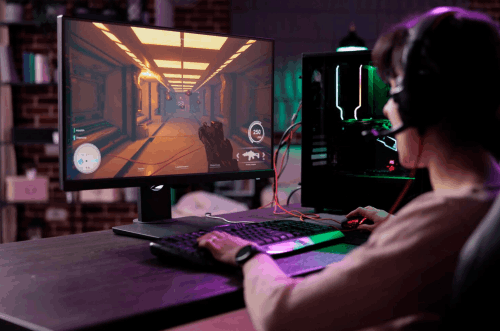
This method introduces introductory mechanics one at a time, allowing mastery of a simple action before adding complexity, which optimizes the speed of game understanding. It prevents cognitive overload during player onboarding and creates a steady rhythm of progression and reward. This structured approach is a cornerstone of a positive user experience at the beginning, building confidence step-by-step.
This technique creates a safe, bounded environment that simulates the full game loop in a simplified form, serving as an effective tutorial as a hook. It teaches introductory mechanics and core objectives without the pressure of the main game's stakes. Completing this mini-game provides a clear "aha!" moment that accelerates newbie retention by delivering a satisfying, self-contained victory.
This approach embeds in-game training directly into the story and environment, using character dialogue or environmental puzzles to teach. It immerses the player in gameplay from the first seconds without breaking the fictional world, enhancing the first impression. This method respects player intelligence and deepens narrative engagement from the very start of the first session.
Our mission is to illuminate the critical importance of player onboarding and the science behind creating a powerful first impression. We believe the initial first session is the most pivotal, yet often undervalued, component of game design, directly determining newbie retention and long-term success. Through detailed analysis, we aim to provide developers and designers with actionable insights to craft unforgettable openings that serve as the ultimate tutorial as a hook.
We are dedicated to dissecting every element that contributes to the user experience at the beginning, from the speed of game understanding to the emotional impact of the first narrative beat. Our work breaks down successful and unsuccessful examples of introductory mechanics and in-game training, translating design principles into clear, applicable knowledge. We strive to be the definitive resource on how to captivate a player from the very moment of gameplay from the first seconds.
Ultimately, our purpose extends beyond analysis to advocacy—championing the player's initial journey as a fundamental pillar of ethical and successful design. We envision a future where games are universally accessible and engaging from the start, where no player is lost due to poor player onboarding. By elevating the discourse around these first crucial minutes, we hope to contribute to games that are more welcoming, more masterfully crafted, and more capable of realizing their full potential to delight and inspire from the very first click.
"This blog puts into words what I've felt as a player for years. The analysis of player onboarding as a 'hook' completely changed how I view new games. I now consciously assess the speed of game understanding and the quality of the tutorial as a hook in the first session, and your articles give me the vocabulary to understand why some games stick and others don't. This focus is brilliantly unique."
"The article on metrics and newbie retention was a revelation for our small indie team. We always prioritized a strong first impression, but seeing the data on how the first five minutes dictate long-term engagement was powerful. We're now reworking our introductory mechanics to be more integrated, focusing on gameplay from the first seconds based on your principles. This is invaluable practical research."
"Your critique of overwhelming in-game training resonated deeply. As a casual player, nothing makes me quit faster than a confusing user experience at the beginning. The piece on cognitive load and introductory mechanics should be required reading for all developers. It articulates the player's need for clarity and respect during that critical first session, advocating for design that empowers rather than confuses."
R. Oscar Freire, 1181 - Cerqueira César, São Paulo - SP, 01426-003, Brazil